
Treatment for Patellofemoral Pain Syndrome (PFPS).
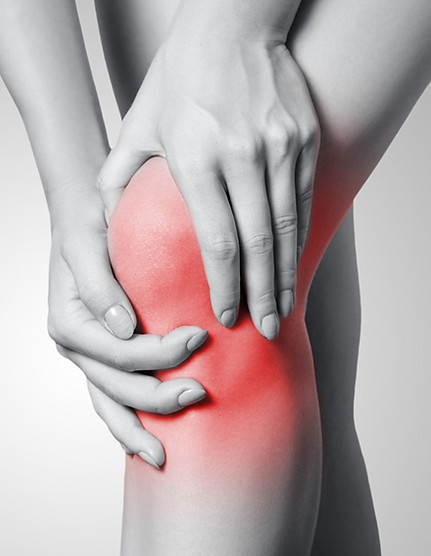
Patellofemoral Pain Syndrome (PFPS) - often known as “runner’s knee” is a common cause of pain around or behind the kneecap (patella), especially with activities that load a flexed (bent) knee.
Typical symptoms of PFPS;
-
Dull or aching pain around or behind the kneecap
-
Pain with: running (especially downhill), squatting or lunging
-
Going up or down stairs
-
Sitting for long periods
-
Pain builds gradually - not suddenly
-
Usually no major swelling or locking

What are the main causes of patellofemoral pain syndrome (PFPS)?
Patellofemoral Pain Syndrome (PFPS) usually comes from too much or poorly controlled load on the kneecap joint, rather than one single injury. The main causes fall into a few clear buckets:

1. Training and load errors (most common)
-
Sudden increases in running mileage, speed, hills, or stairs
-
Jumping or plyometrics added too quickly
-
Not enough recovery between sessions
The patellofemoral joint gets overloaded faster than it can adapt.
2. Quadriceps weakness or imbalance
-
Reduced overall quad strength
-
Poor load tolerance in knee flexion
-
Delayed or reduced activation of the quads
This increases stress behind the kneecap during everyday activities like stairs and squats.
3. Hip and glute weakness
-
Weak gluteus medius and maximus
-
Poor control of femur movement
This can lead to the knee collapsing inward (dynamic valgus), increasing patellofemoral joint stress.
4. Poor movement mechanics
-
Excessive knee valgus during squats, running, or landing
-
Poor shock absorption strategies
-
Overstriding or excessive braking forces in runners
These mechanics amplify joint load even at normal training volumes.
5. Reduced ankle mobility
-
Limited ankle dorsiflexion
-
Stiff calves or Achilles tendon
This shifts load upward to the knee during squatting, running, and stair use.
6. Prolonged knee flexion
-
Long periods of sitting (“movie-theatre sign”)
-
Frequent kneeling or crouching
Sustained compression of the patellofemoral joint can sensitize it.
7. Foot factors (secondary contributors)
-
Excessive or prolonged pronation
-
Poor footwear for training demands
These don’t cause PFPS alone but can increase knee load.
We can speed up your recovery from injury with a combination of Myofascial release, Radial and Focused Shockwave Therapy within the same sessions.
Depending on whether it is Acute or Chronic, 3 - 6 sessions are generally required for most people to gain complete pain relief and make a full recovery from Patellofemoral Pain Syndrome (PFPS).

The effective way - to treat MSK.
How Shockwave Therapy helps with Patellofemoral Pain Syndrome (PFPS)
1. Pain modulation
The strongest effect of shockwave in PFPS is on pain: Shockwave therapy helps to reduce sensitivity of local nerve endings. It alters pain signaling (neuromodulation) and lowers pain enough to allow better participation in rehab. This is most relevant when pain is persistent and limiting exercise progress.
2. Addresses associated soft-tissue pain
Shockwave is sometimes applied to structures that commonly contribute to PFPS pain:
These include the quadriceps tendon, Patellar tendon, Lateral retinaculum and the Peripatellar soft tissues.
If PFPS overlaps with tendinopathy or localised tissue sensitivity, Shockwave therapy may help those components.
3. Facilitates rehabilitation
By reducing pain, squatting, stair work, and strengthening become more tolerable and patients can load the knee through deeper ranges sooner. Also rehab quality and consistency improve and this is where any longer-term benefit comes from.

Why choose Rich & Cher Pearson at The Shockwave Therapy Clinic?
-
Elite technology: We use the Storz Medical Focused Shockwave system - the gold standard used by Premier League football clubs and elite athletes worldwide.
-
Decades of experience: You aren't just getting a treatment; you are getting 25 years of clinical diagnostic skill (See our feedback)
-
Local and personal: We are a dedicated East London clinic. Rich and Cher provide a private, professional, and patient-focused environment right here in Highams Park.
-
Proven results: Whether you are looking to return to sport or seeking a discreet solution for ED, our evidence-based approach is designed to get you results fast.
Frequently Asked Questions about Shockwave for Runner’s Knee (PFPS).
How does Focused Shockwave therapy help Runner’s Knee?
Focused Shockwave Therapy treats Patellofemoral Pain Syndrome by targeting the irritated soft tissues and subchondral bone around the kneecap. It stimulates blood flow and triggers a biological healing response in the quadriceps tendon and lateral retinaculum, reducing the chemical inflammation that causes pain during running or climbing stairs.
Is Shockwave Therapy effective if I have "clicking" in my knee?
Yes. While the clicking itself is often mechanical, the pain associated with PFPS usually stems from tissue sensitivity and poor tracking. Focused Shockwave helps desensitize the painful area and promotes healthier tissue regeneration, making it an excellent partner to the strengthening exercises required to stop the clicking long-term.
How many sessions are needed for Runner’s Knee recovery?
Most runners require a course of 3 to 6 sessions. At our Highams Park clinic, patients often feel a significant reduction in "the ache" behind the kneecap after the second session. Completing the full course is essential to ensure the tissue is resilient enough for high-mileage training.
Can I run through the pain while having Shockwave Therapy?
We advise a "pain-monitored" approach. Focused Shockwave provides rapid relief, but we usually recommend 48 hours of relative rest post-treatment. We will work with you to find your "safe" running volume, ensuring you maintain your marathon fitness without overloading the knee while it heals.